

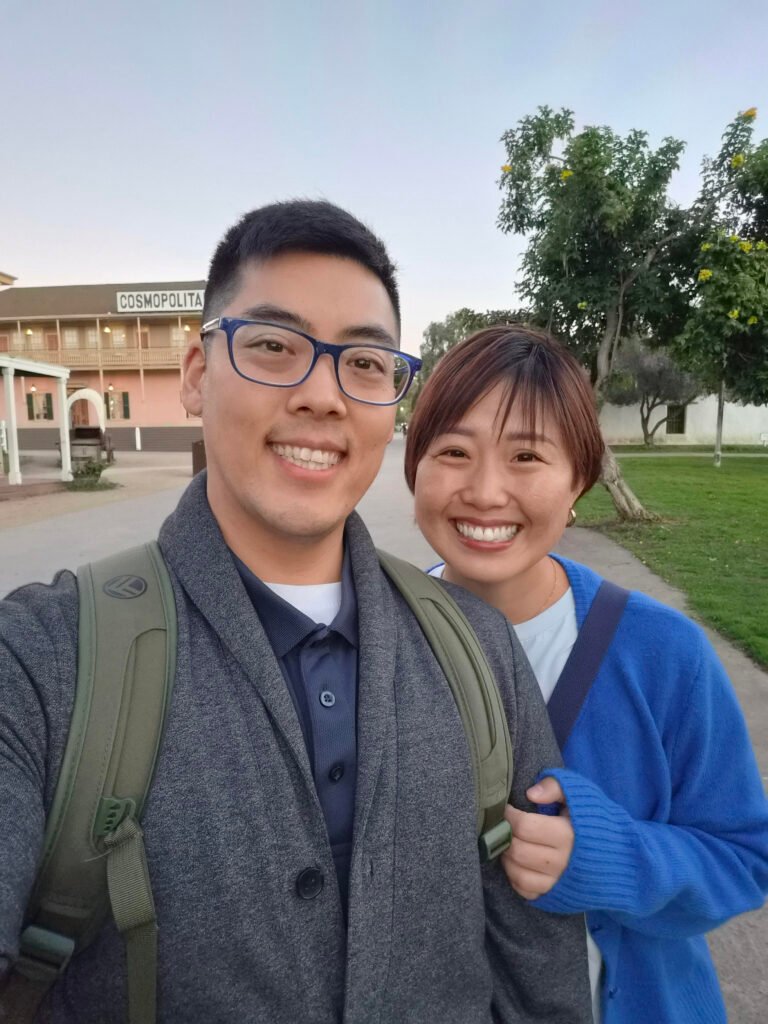
Happy New Year and welcome to a fresh start to 2026! The beginning of a new year often invites reflection, renewal, and new direction. This sense of stepping into a new chapter felt especially meaningful after attending the Lilly Conference CA 2025-26. This year was particularly special, as my wife and I had the opportunity to attend together for the first time as educators and learners! 😊 The conference theme, Teaching for Active and Engaged Learning in the Age of AI, could not have been more timely.
This Lilly Conference truly felt like a buffet of the mind. Each session offered something distinct yet deeply relevant to the evolving landscape of higher education. Conversations around technology, equity, and artificial intelligence were thoughtful, collegial, and grounded in care for student learning rather than fear of change. Throughout the conference, I found myself returning to a few guiding questions: What barriers to student success exist in my classroom? How do we identify and address barriers to learning in the age of AI? And what small, actionable steps can I take to improve my teaching practice in kinesiology? I will share a few highlights across this memorable and exciting journey!
Adaptive, Equity-Oriented Teaching with AI
The opening keynote by Dr. Andrew Phuong from UC San Diego was both engaging and eye-opening. He introduced adaptive equity-oriented pedagogy, emphasizing that strategies effective for one group of students may not work for another. Rather than pointing to students, he encouraged grace toward ourselves as educators and reflection on barriers embedded within our course design. His current research demonstrated how adaptive equity-oriented pedagogy, when thoughtfully paired with AI, can help students connect course content to their goals, lived experiences, and learning needs through personalized, actionable feedback and retrieval practice. One quote that stayed with me was his reminder that identities and starting points should not be viewed as deficits, but as strengths capable of transforming education.
Designing Learning-Centered, AI-Resistant Assignments
Dr. Ashley Evans led a powerful session on designing rigorous, learning-centered assignments that are AI-resistant without being AI-avoidant. She challenged us to examine our most AI-vulnerable assignments and redesign them with intention. Through practical strategies such as phased assignments, multimodal evidence, local and personal experiences, oral assessments, and process documentation, she reframed the conversation away from AI policing and toward deeper learning through thoughtful design.
Where the Science of Learning Meets AI
Another standout keynote address came from Dr. Todd Zakrajsek, whose session connected the science of learning with purposeful AI integration. Drawing from his upcoming book, he reminded us that education has always adapted to innovation. He emphasized topics such as building trust and community in the age of AI, managing AI with Universal Design for Learning and Instruction, as well as how to integrate AI to cultivate deeper learning opportunities to manage cognitive load, support retrieval practice, elaboration, and deeper understanding rather than replacing learning itself. Moreover, AI may create challenges, but it can also change how we learn and the amount we all learn. His presentation was based on his upcoming book, “The Science of Learning Meets AI,” which I truly look forward to reading and learning further on this relevant topic.
Active Dialogue, AI Metaphors, and Looking Forward to a New Frontier
The closing keynote by Dr. Bonni Stachowiak was especially meaningful. Through an engaging, discussion-based game using AI metaphors, she created a safe and healthy space for dialogue around the varied rhetorical, critical, and functional views of AI. The session was filled with laughter, thoughtful discussion, and reflection, prompting me to consider one commitment I will carry forward for my students and colleagues. Her keynote reminded me that students learn not only from our expertise but from how we model curiosity, humility, and growth as we continue learning ourselves.
I also had the joy of celebrating the work of our colleagues. My wife and I were grateful to support Dr. Enid Bozic and Dr. David Rhoads as they showcased how AI can be used to design and deploy a digital app in minutes, highlighting meaningful, applied learning in action and the power of engaging with AI strategically in the classroom. Furthermore, it was a joy to meet and make new friends at this conference, such as our new VU colleague Dr. Joanna Schiestl from Teaching and Learning! 😊
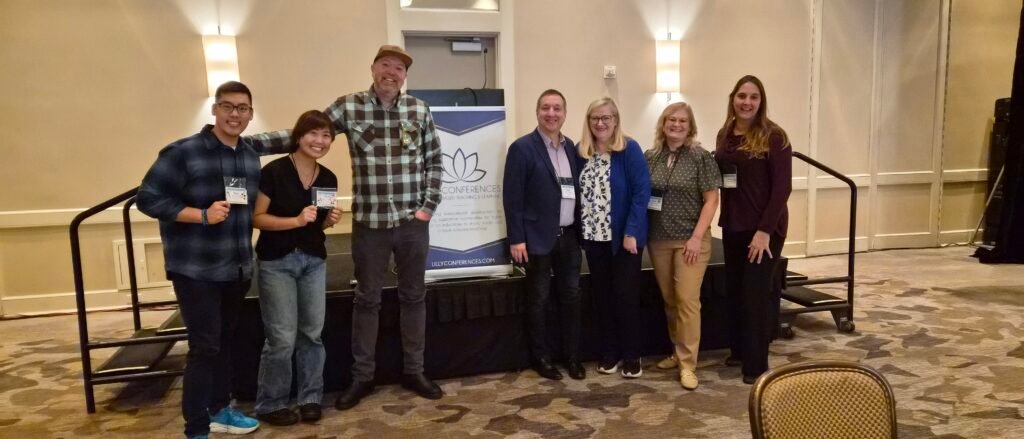
Overall, this conference marked my first venture outside my direct field of Kinesiology, yet I felt welcomed, challenged, and deeply inspired. As a first-time attendee, the impact of the Lilly Conference was profound, offering new perspectives, renewed curiosity, and practical takeaways I am eager to thoughtfully bring back into my teaching. It was a meaningful beginning to this new year of 2026, and I look forward to returning to the Lilly Conference with gratitude and renewed purpose in the future!